| Type | work | bureau |
|---|
| Year / years | 1967 | Unrecorded |
|---|
| Place | Montreal, Quebec, Canada | Dublin, Ireland |
|---|
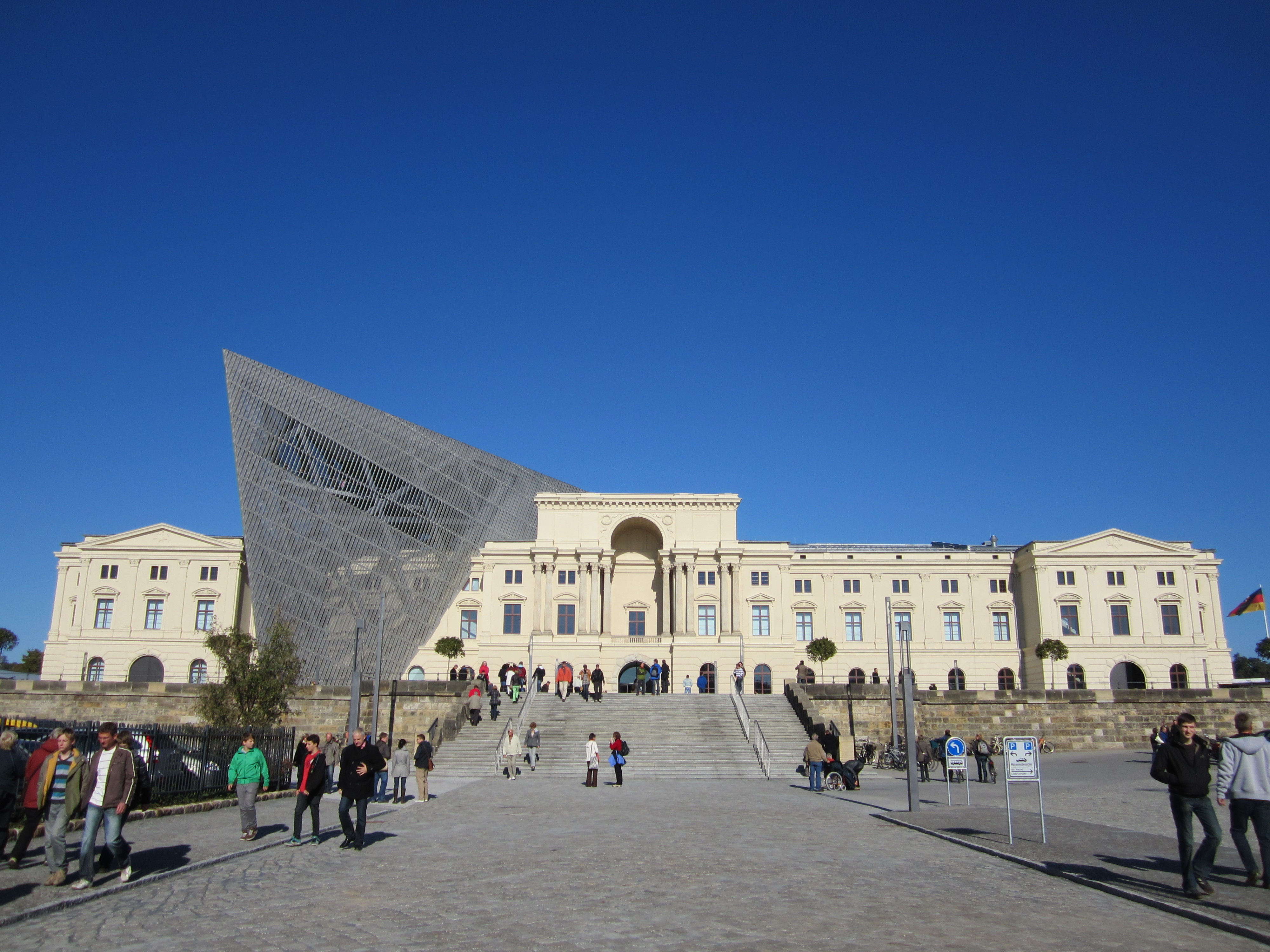
| Place context | Montreal, Quebec, Canada | Representative site: Dresden, Dresden, Germany |
|---|
| Climate | 0°C · 13.8h daylight · 14 km/h wind | 6°C · 14.2h daylight · 13 km/h wind · via Bundeswehr Military History Museum |
|---|
| Focus | Housing complex | 23 works in corpus |
|---|
| Architects | | |
|---|
| Linked context | Bureaus | Notable works - Bundeswehr Military History Museum
- Contemporary Jewish Museum
- Rogers Building (Toronto)
- Felix Nussbaum Haus
|
|---|
| Typologies | - housing
- residential complex
- prefabrication
| - museum
- campus building
- performance venue
- house
- history museum
- cultural building
- landscape
- library
|
|---|
| Materials | | |
|---|
| Carbon signals | Concrete look like the main embodied-carbon drivers in the current palette. | Concrete, Steel, and Glass look like the main embodied-carbon drivers in the current palette. |
|---|
| Lower-carbon levers | - Look for lower-clinker mixes, reused structure, and scope reductions before fine-grained product swaps.
| - Look for lower-clinker mixes, reused structure, and scope reductions before fine-grained product swaps.
- Prioritize recycled content, efficient sections, and procurement-specific EPD comparisons.
- Compare system-level facade options, reduce overspecification, and pair glass choices with structural reductions.
- Use classification and product-level EPD research to place this material more precisely.
|
|---|
| Accessibility | Publicly accessible | 10 of 10 recorded works are publicly accessible |
|---|
| Related books | No linked books yet. | No linked books yet. |
|---|