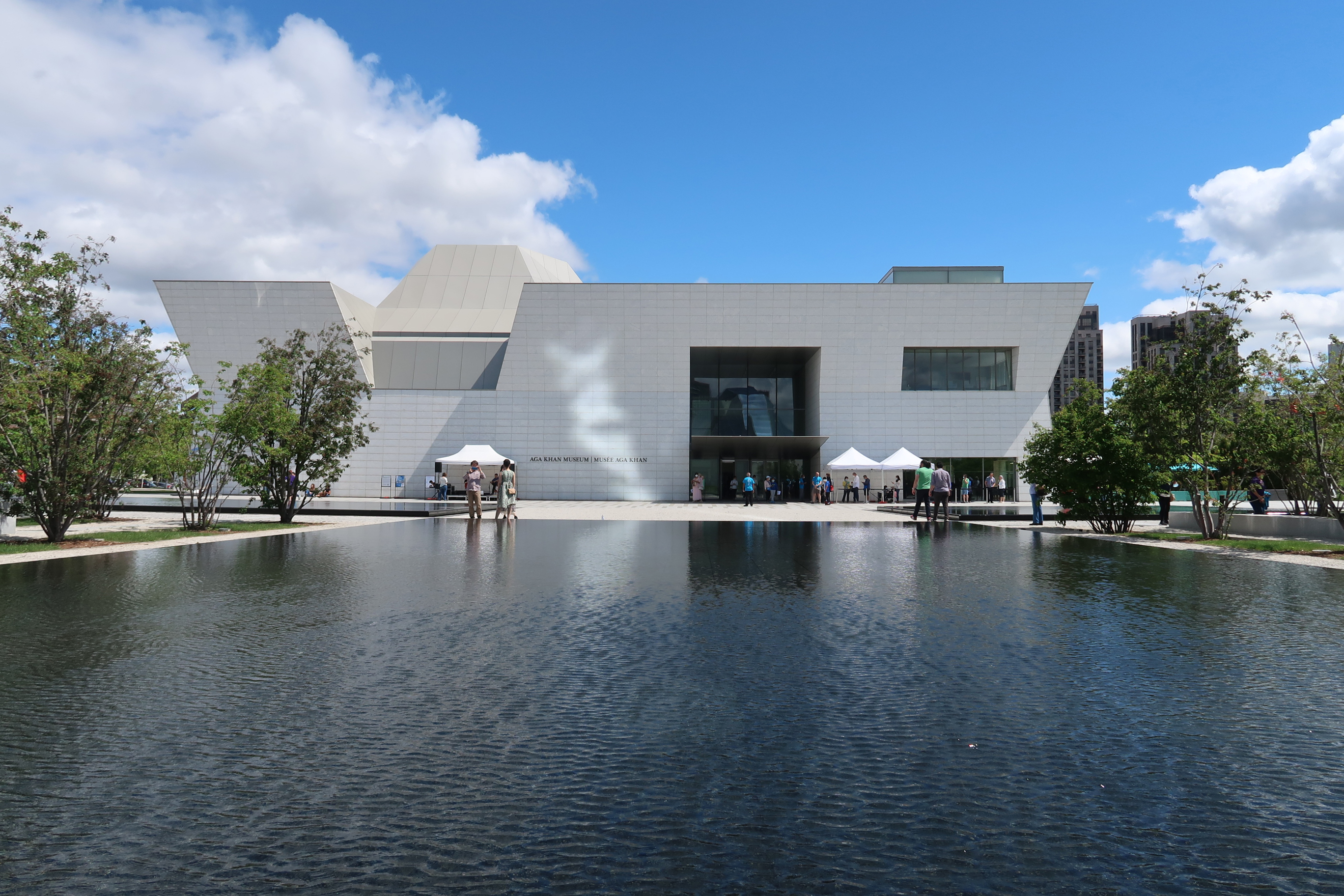
| Type | work | bureau |
|---|
| Year / years | 2014 | Unrecorded |
|---|
| Place | Toronto, Ontario, Canada | San Juan Island, San Juan Islands, United States |
|---|
| Place context | Toronto, Ontario, Canada | Representative site: San Juan Island, San Juan Islands, United States |
|---|
| Climate | 5°C · 13.7h daylight · 16 km/h wind | Climate unavailable · via Rolling Huts |
|---|
| Focus | Museum | 2 works in corpus |
|---|
| Architects | | |
|---|
| Linked context | Bureaus | Notable works |
|---|
| Typologies | - museum
- cultural building
- art museum
| - hospitality
- lodging
- cabins lodges
- wood
- top100
- residential
- houses
- san juan
|
|---|
| Materials | | |
|---|
| Carbon signals | Steel, Glass, and Stone look like the main embodied-carbon drivers in the current palette. | Concrete and Steel look like the main embodied-carbon drivers in the current palette. |
|---|
| Lower-carbon levers | - Prioritize recycled content, efficient sections, and procurement-specific EPD comparisons.
- Compare system-level facade options, reduce overspecification, and pair glass choices with structural reductions.
- Check source geography, fabrication intensity, and whether stone is structural, cladding, or finish-only.
| - Look for lower-clinker mixes, reused structure, and scope reductions before fine-grained product swaps.
- Prioritize recycled content, efficient sections, and procurement-specific EPD comparisons.
- Track sourcing, certification, and assembly logic rather than assuming timber is automatically low impact.
|
|---|
| Accessibility | Publicly accessible | Access not recorded across linked works |
|---|
| Related books | No linked books yet. | No linked books yet. |
|---|