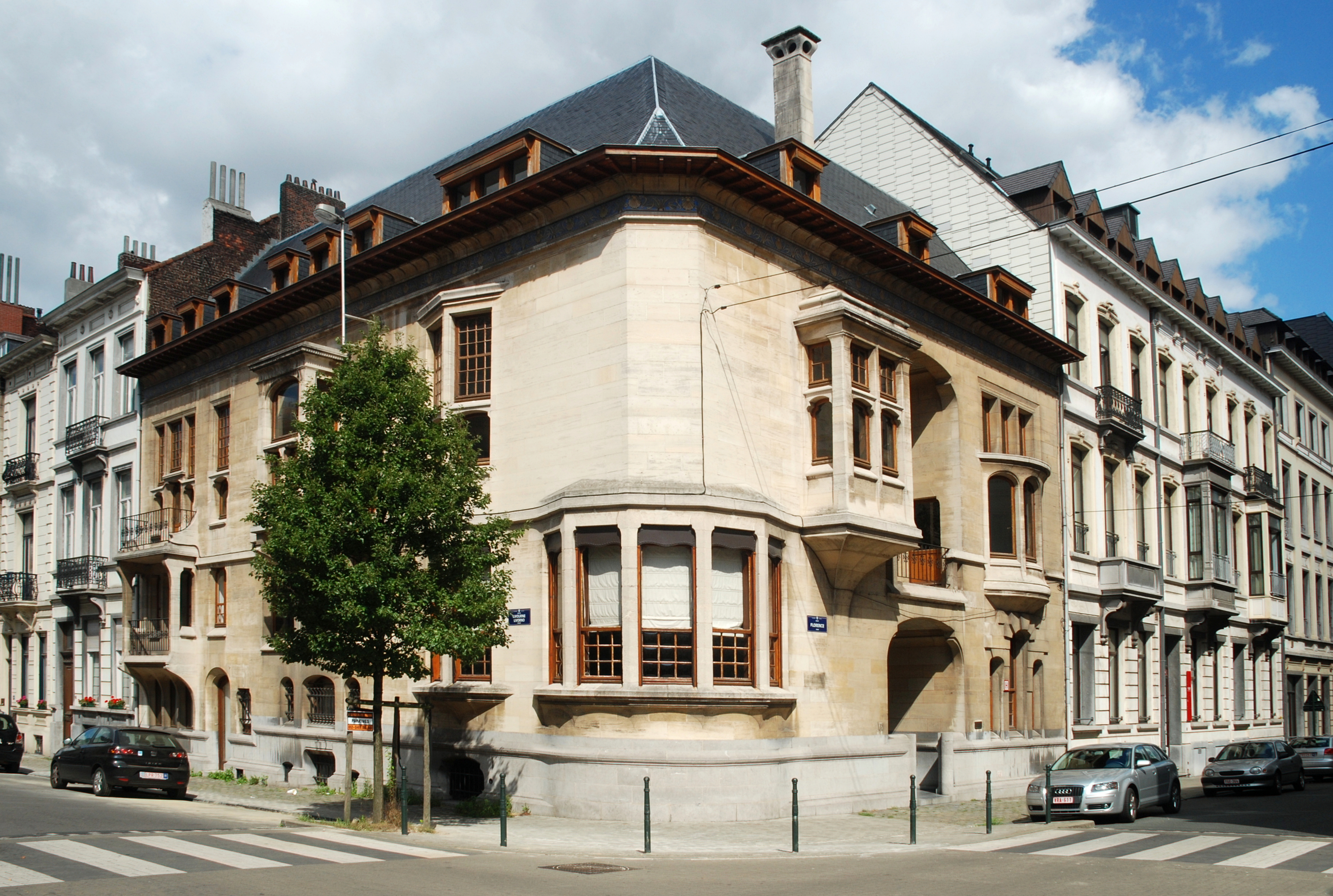
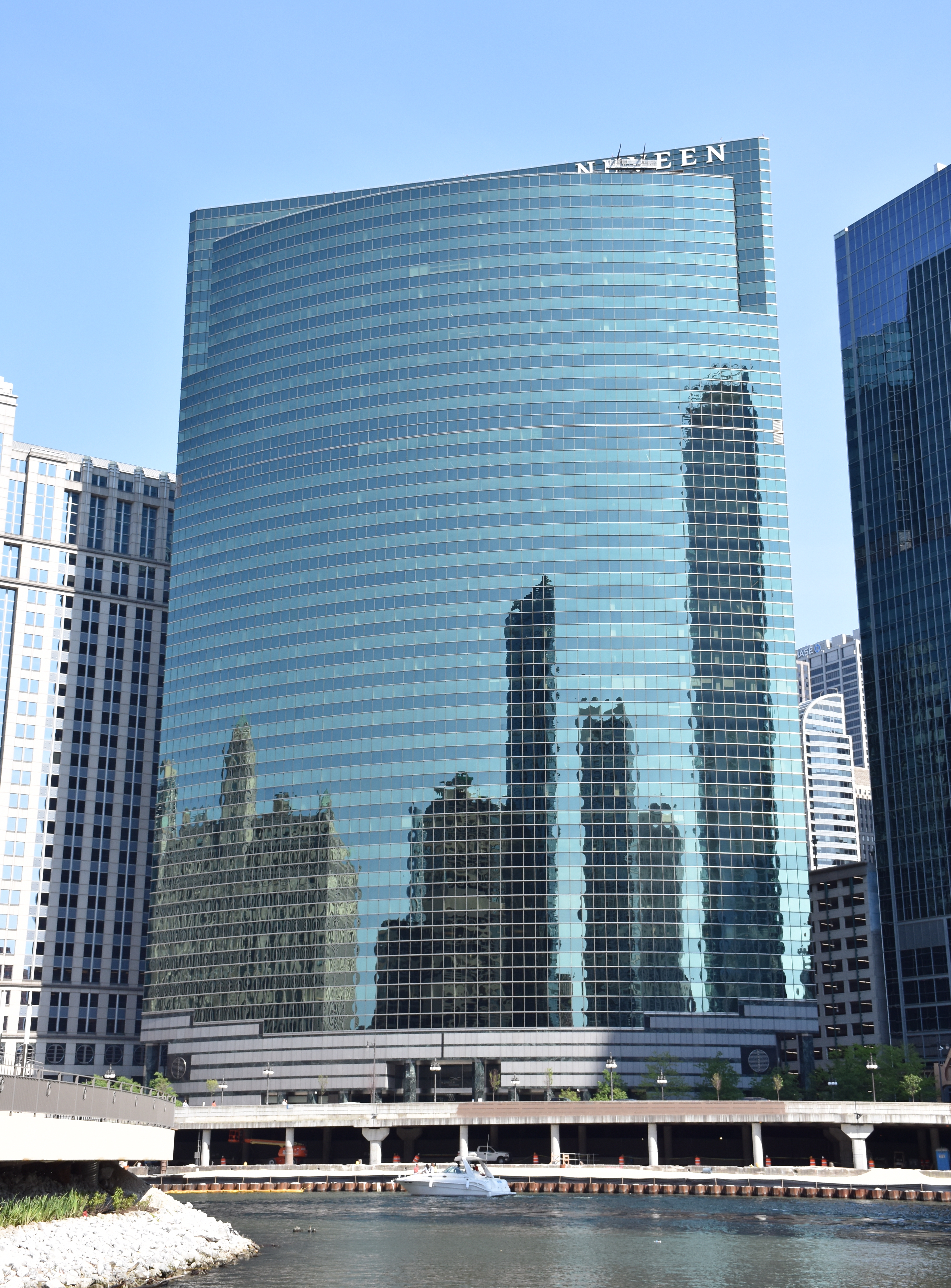
| Type | work | bureau |
|---|
| Year / years | 1894 | Unrecorded |
|---|
| Place | Brussels, Brussels, Belgium | Seoul, South Korea |
|---|
| Place context | Brussels, Brussels, Belgium | Representative site: Chicago, Chicago, United States |
|---|
| Climate | 16°C · 14.2h daylight · 18 km/h wind | 19°C · 13.6h daylight · 23 km/h wind · via 333 Wacker Drive |
|---|
| Focus | House | 104 works in corpus |
|---|
| Architects | | |
|---|
| Linked context | Bureaus - Atelier Henry van de Velde
| Notable works - 333 Wacker Drive
- One Logan Square
- One Tabor Center
- Fifth Third Center (Nashville)
|
|---|
| Typologies | | - office
- building
- tower
- landscape
- church
- sacred space
- civic building
- hospitality
|
|---|
| Materials | Not recorded yet. | - aluminum
- concrete
- stone
- glass
- steel
- brick
- bamboo
|
|---|
| Carbon signals | house gives us a typology starting point even though the work does not have a recorded material palette yet. No dominant drivers yet. | Aluminum, Concrete, and Steel look like the main embodied-carbon drivers in the current palette. |
|---|
| Lower-carbon levers | No levers surfaced yet. | - Focus on recycled content, lighter assemblies, and careful facade-specification choices.
- Look for lower-clinker mixes, reused structure, and scope reductions before fine-grained product swaps.
- Prioritize recycled content, efficient sections, and procurement-specific EPD comparisons.
- Use classification and product-level EPD research to place this material more precisely.
|
|---|
| Accessibility | Access not recorded | 31 of 31 recorded works are publicly accessible |
|---|
| Related books | No linked books yet. | No linked books yet. |
|---|