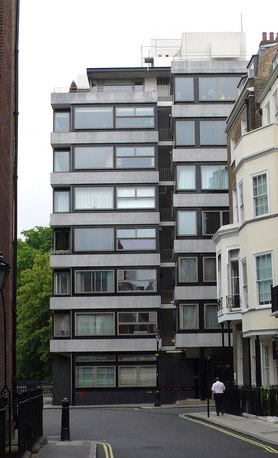
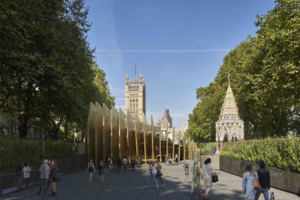
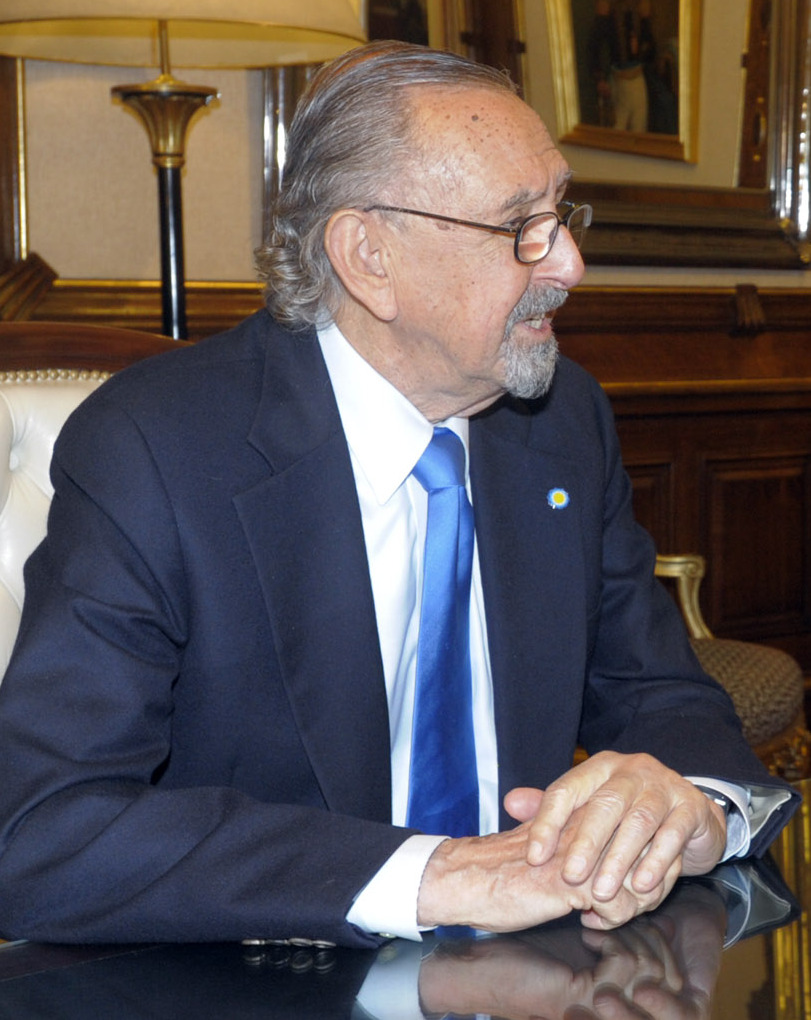
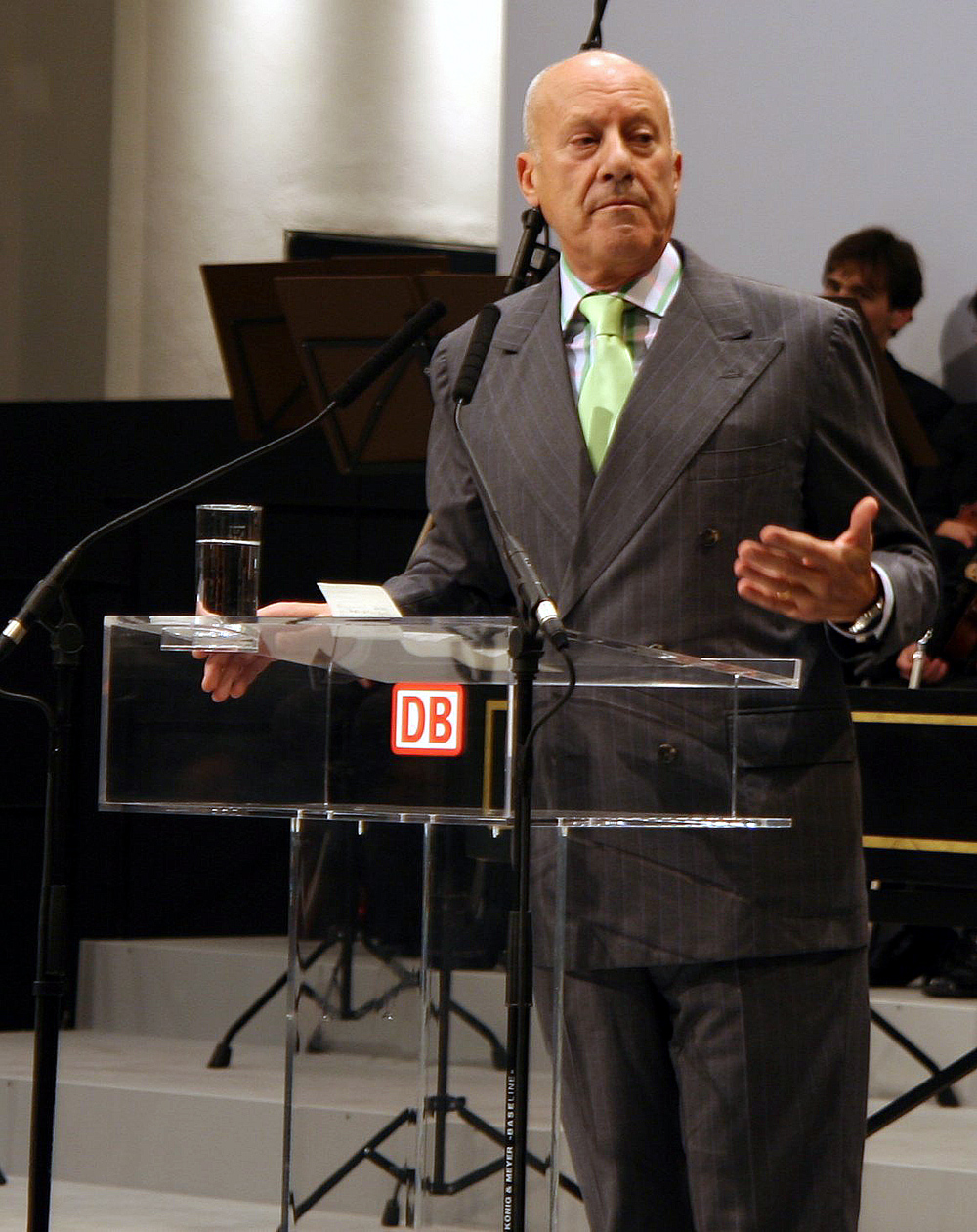
| Type | work | bureau |
|---|
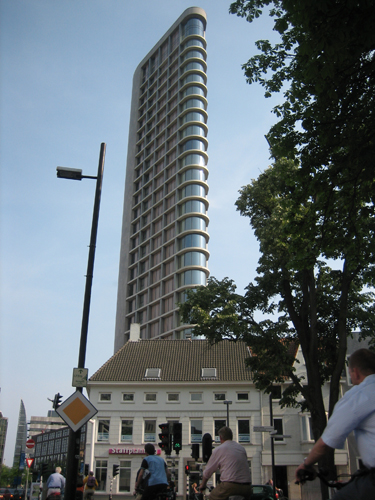
| Year / years | 2005 | 1981 |
|---|
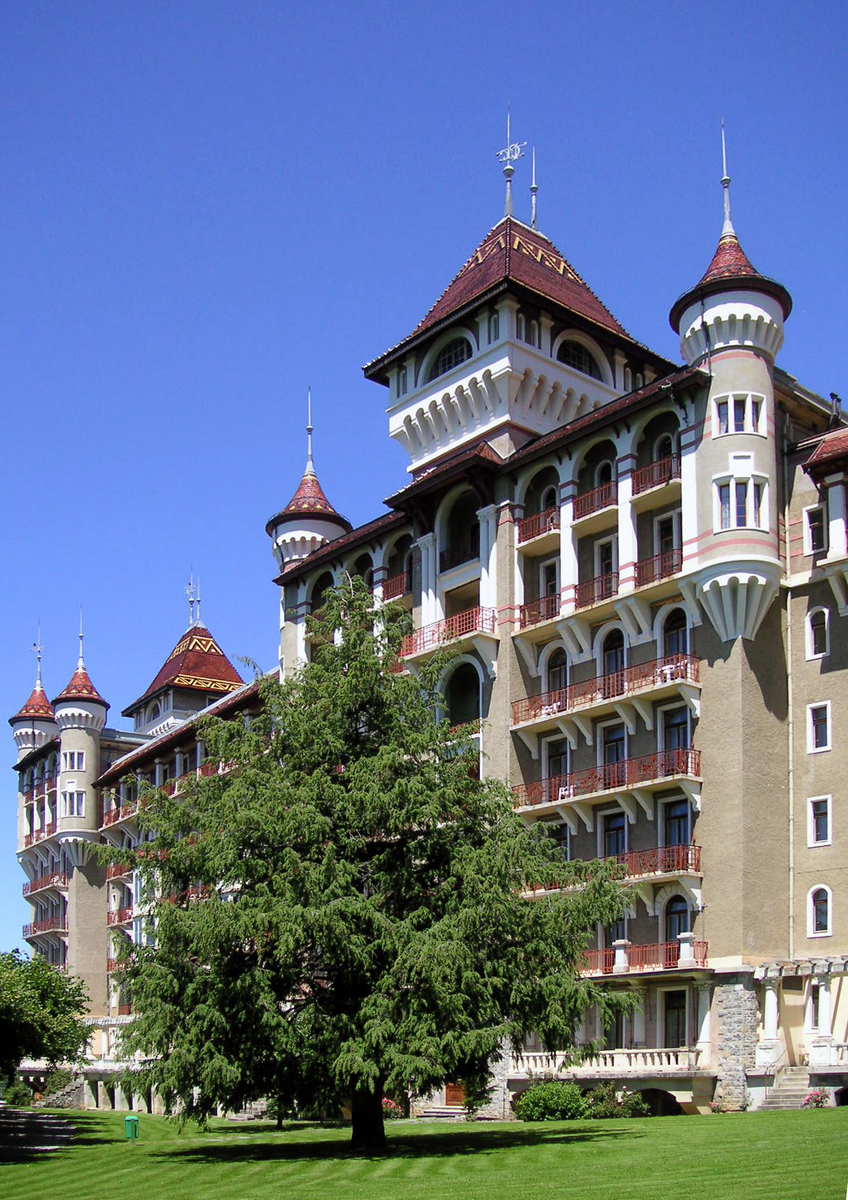
| Place | Ramat Gan, Ramat Gan, Israel | Tokyo, Tokyo, Japan |
|---|
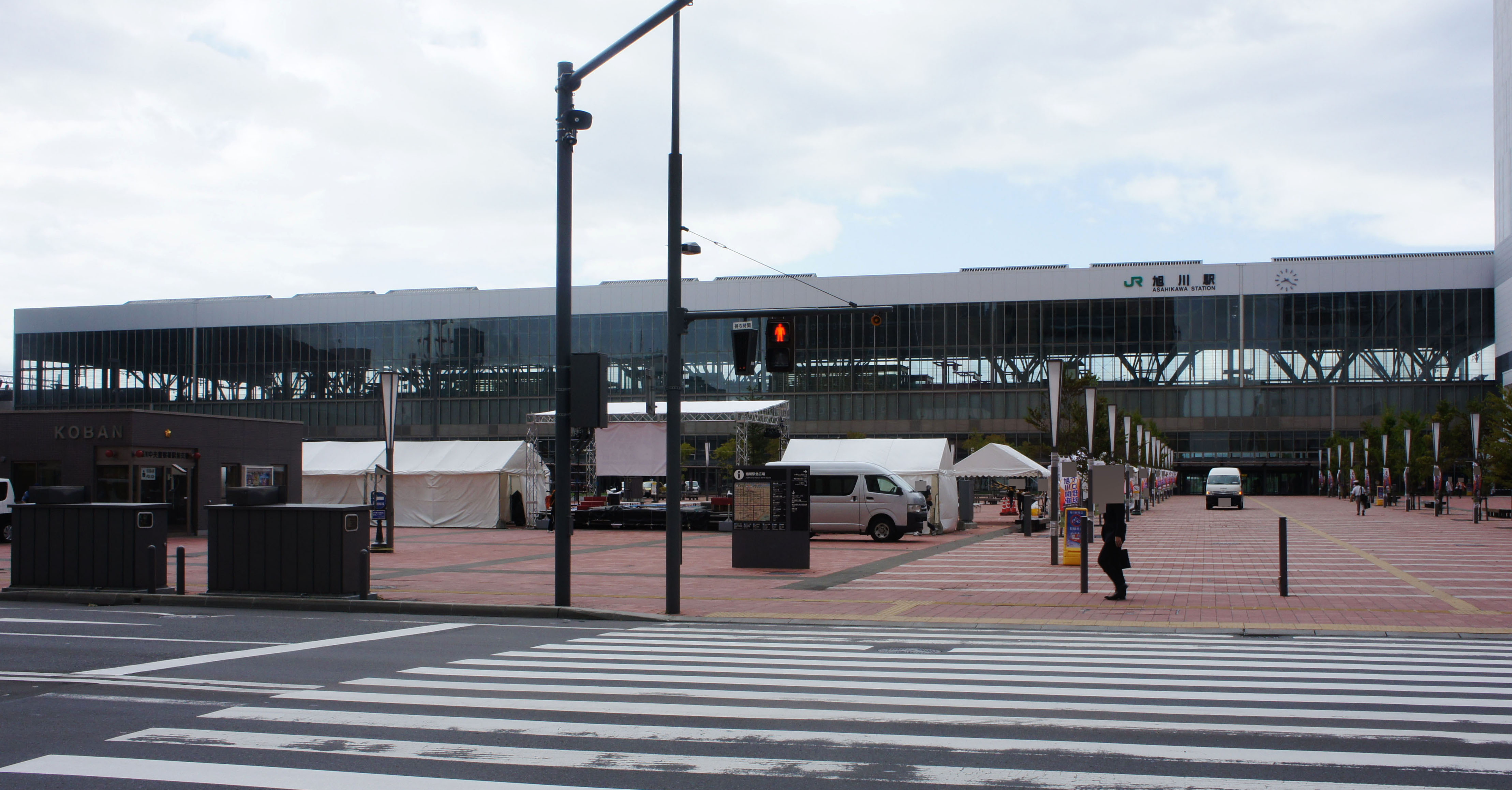
| Place context | מקס ואנה ווב, בר אילן, רמת גן, מחוז תל אביב, ישראל | Representative site: 旭川駅北口広場, 神楽, 宮下通八丁目, 旭川市, 日本 |
|---|
| Climate | 15°C · 12.9h daylight · 3 km/h wind | 2°C · 13.3h daylight · 8 km/h wind · via Asahikawa Station |
|---|
| Focus | Education building | 7 works in corpus |
|---|
| Architects | | |
|---|
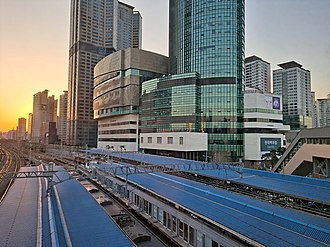
| Linked context | Bureaus | Notable works - Asahikawa Station
- Takayama Station
- Makino Botanical Garden
- Tenshin Memorial Museum of Art, Ibaraki
|
|---|
| Typologies | | - performance venue
- landscape
- museum
- memorial
|
|---|
| Materials | Not recorded yet. | |
|---|
| Carbon signals | education and campus building gives us a typology starting point even though the work does not have a recorded material palette yet. No dominant drivers yet. | The recorded material palette leans lower-carbon on paper, but procurement and quantity still matter. No dominant drivers yet. |
|---|
| Lower-carbon levers | No levers surfaced yet. | - Track sourcing, certification, and assembly logic rather than assuming timber is automatically low impact.
|
|---|
| Accessibility | Access not recorded | 7 of 7 recorded works are publicly accessible |
|---|
| Related books | No linked books yet. | No linked books yet. |
|---|