| Type | work | bureau |
|---|
| Year / years | 1832 | Unrecorded |
|---|
| Place | Possagno, Possagno, Italy | Montevideo, Montevideo Department, Uruguay |
|---|
| Place context | Possagno, Possagno, Italy | Representative site: Montevideo, Montevideo, Uruguay |
|---|
| Climate | 12°C · 13.9h daylight · 8 km/h wind | 20°C · 11.0h daylight · 5 km/h wind · via Nuestra Señora del Líbano, Montevideo |
|---|
| Focus | Museum | 5 works in corpus |
|---|
| Architects | | |
|---|
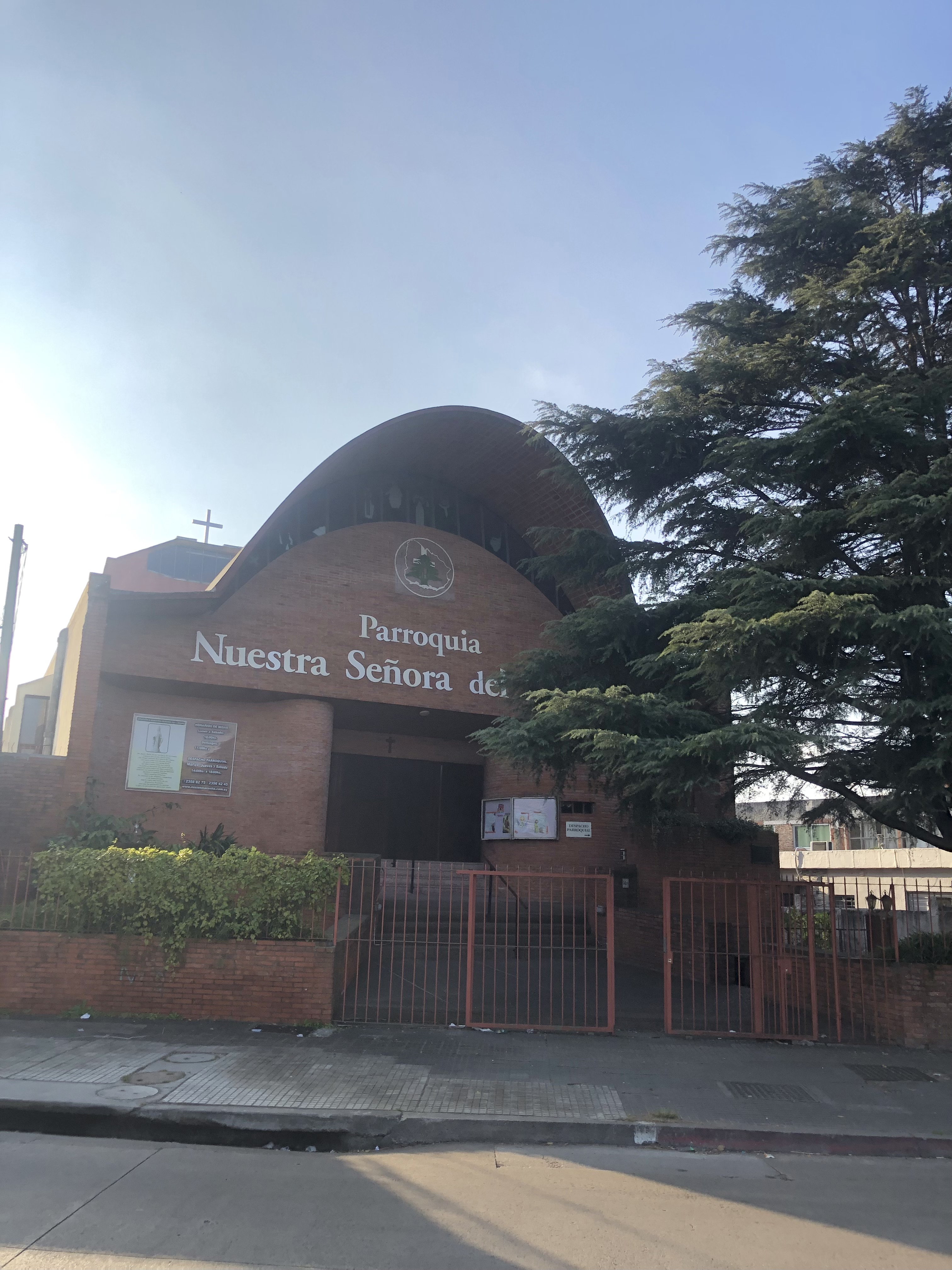
| Linked context | Bureaus | Notable works - Nuestra Señora del Líbano, Montevideo
- Church of Christ the Worker and Our Lady of Lourdes
- Church of Christ the Worker and Our Lady of Lourdes
- Montevideo Shopping
|
|---|
| Typologies | | - church
- sacred space
- temple
- religious building
- world heritage site
- building
|
|---|
| Materials | Not recorded yet. | - brick
- reinforced brick
- tile
|
|---|
| Carbon signals | museum gives us a typology starting point even though the work does not have a recorded material palette yet. No dominant drivers yet. | Brick, Brick, and Tile look like the main embodied-carbon drivers in the current palette. |
|---|
| Lower-carbon levers | No levers surfaced yet. | - Review masonry extent, reuse opportunities, and alternate assemblies where the design language allows it.
- Use classification and product-level EPD research to place this material more precisely.
|
|---|
| Accessibility | Publicly accessible | 4 of 4 recorded works are publicly accessible |
|---|
| Related books | No linked books yet. | No linked books yet. |
|---|