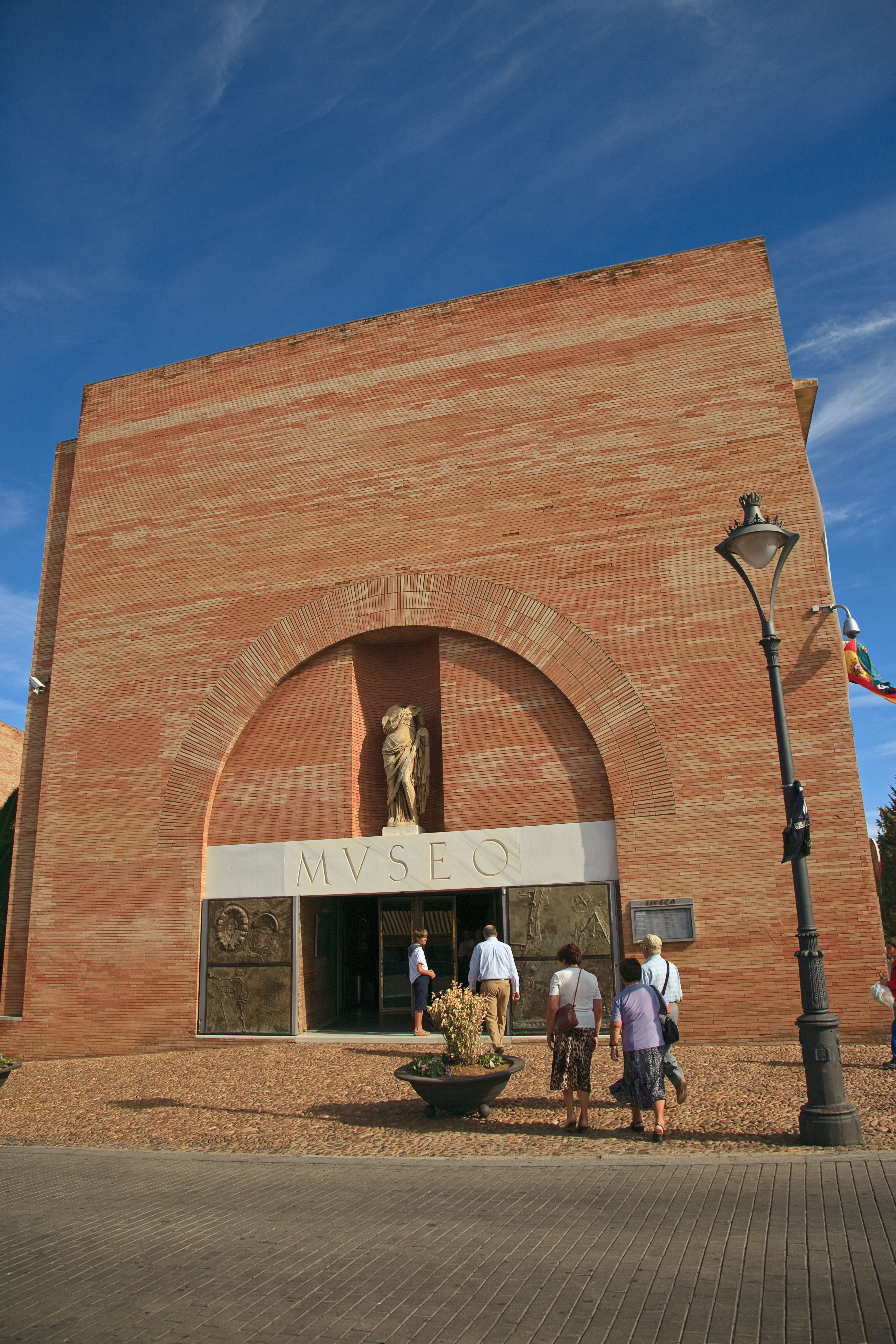
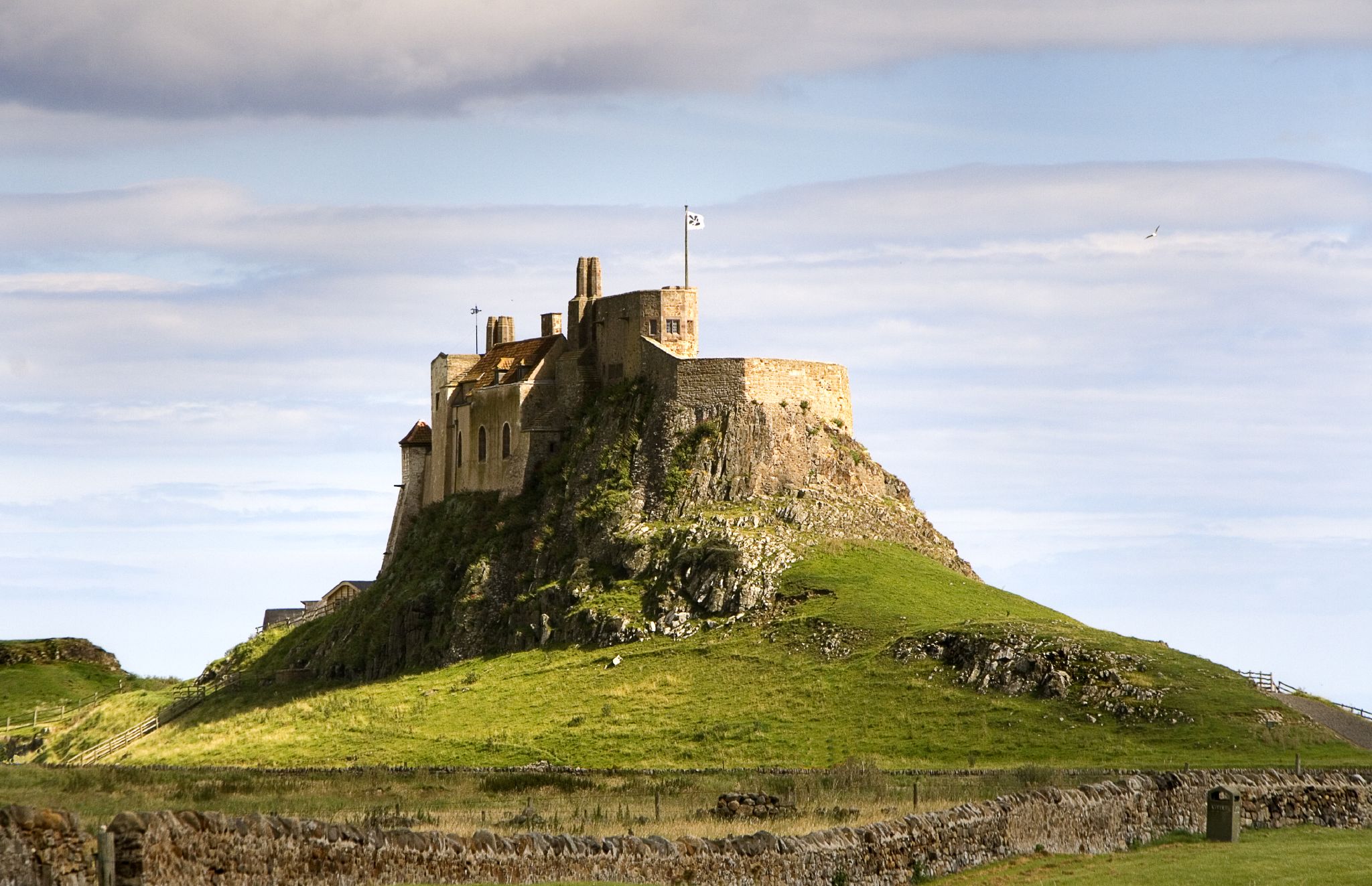
| Type | work | bureau |
|---|
| Year / years | 1986 | 1888 |
|---|
| Place | Mérida, Mérida, Spain | London, England, United Kingdom |
|---|
| Place context | Mérida, Mérida, Spain | Representative site: Holy Island, Holy Island, United Kingdom |
|---|
| Climate | 19°C · 13.4h daylight · 3 km/h wind | 8°C · 14.6h daylight · 5 km/h wind · via Lindisfarne Castle |
|---|
| Focus | Museum | 102 works in corpus |
|---|
| Architects | | |
|---|
| Linked context | Bureaus | Notable works - Lindisfarne Castle
- Renishaw Hall
- Deanery Garden
- Overstrand Hall
|
|---|
| Typologies | | - building
- house
- landscape
- civic building
- infrastructure
- hospitality
- church
- sacred space
|
|---|
| Materials | Not recorded yet. | |
|---|
| Carbon signals | museum gives us a typology starting point even though the work does not have a recorded material palette yet. No dominant drivers yet. | Brick, Glass, and Stone look like the main embodied-carbon drivers in the current palette. |
|---|
| Lower-carbon levers | No levers surfaced yet. | - Review masonry extent, reuse opportunities, and alternate assemblies where the design language allows it.
- Compare system-level facade options, reduce overspecification, and pair glass choices with structural reductions.
- Check source geography, fabrication intensity, and whether stone is structural, cladding, or finish-only.
- Track sourcing, certification, and assembly logic rather than assuming timber is automatically low impact.
|
|---|
| Accessibility | Publicly accessible | 30 of 30 recorded works are publicly accessible |
|---|
| Related books | No linked books yet. | No linked books yet. |
|---|