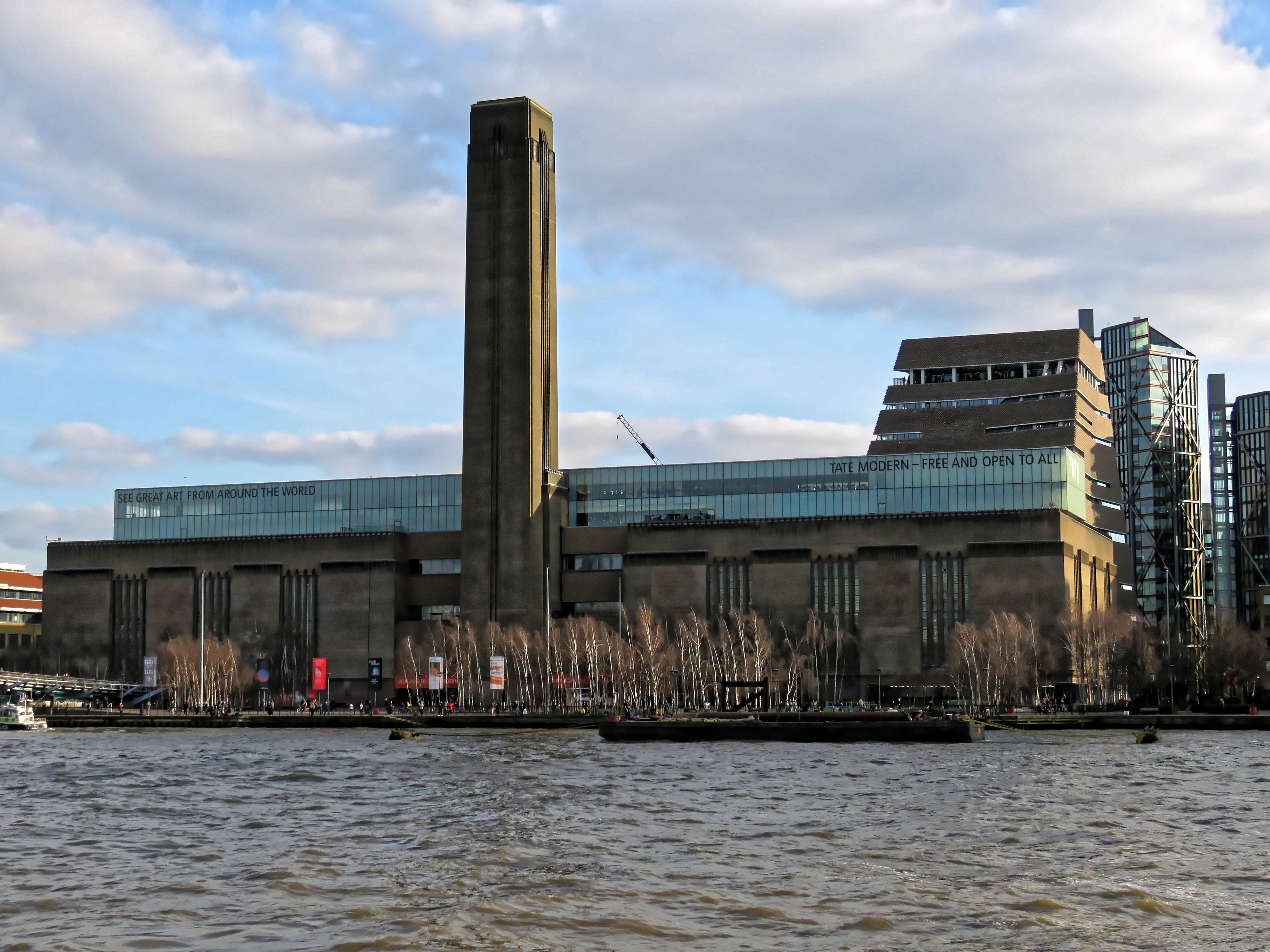
| Type | work | bureau |
|---|
| Year / years | 2000 | 1925-1968 |
|---|
| Place | London, England, United Kingdom | Athens, Attica, Greece |
|---|
| Place context | London, England, United Kingdom | Representative site: Athens, Attica, Greece |
|---|
| Climate | 11°C · 14.3h daylight · 16 km/h wind | 23°C · 13.4h daylight · 9 km/h wind · via Landscaping of the Acropolis of Athens |
|---|
| Focus | Museum | 1 works in corpus |
|---|
| Architects | - Jacques Herzog
- Pierre de Meuron
| |
|---|
| Linked context | Bureaus | Notable works - Landscaping of the Acropolis of Athens
|
|---|
| Typologies | - museum
- adaptive reuse
- cultural building
| - landscape
- public space
- pedestrian infrastructure
|
|---|
| Materials | | - stone
- paving
- salvaged fragments
|
|---|
| Carbon signals | Steel, Brick, and Glass look like the main embodied-carbon drivers in the current palette. | Paving, Salvaged Fragments, and Stone look like the main embodied-carbon drivers in the current palette. - Paving
- Salvaged Fragments
- Stone
|
|---|
| Lower-carbon levers | - Prioritize recycled content, efficient sections, and procurement-specific EPD comparisons.
- Review masonry extent, reuse opportunities, and alternate assemblies where the design language allows it.
- Compare system-level facade options, reduce overspecification, and pair glass choices with structural reductions.
| - Use classification and product-level EPD research to place this material more precisely.
- Check source geography, fabrication intensity, and whether stone is structural, cladding, or finish-only.
|
|---|
| Accessibility | Publicly accessible | 1 of 1 recorded works are publicly accessible |
|---|
| Related books | No linked books yet. | No linked books yet. |
|---|