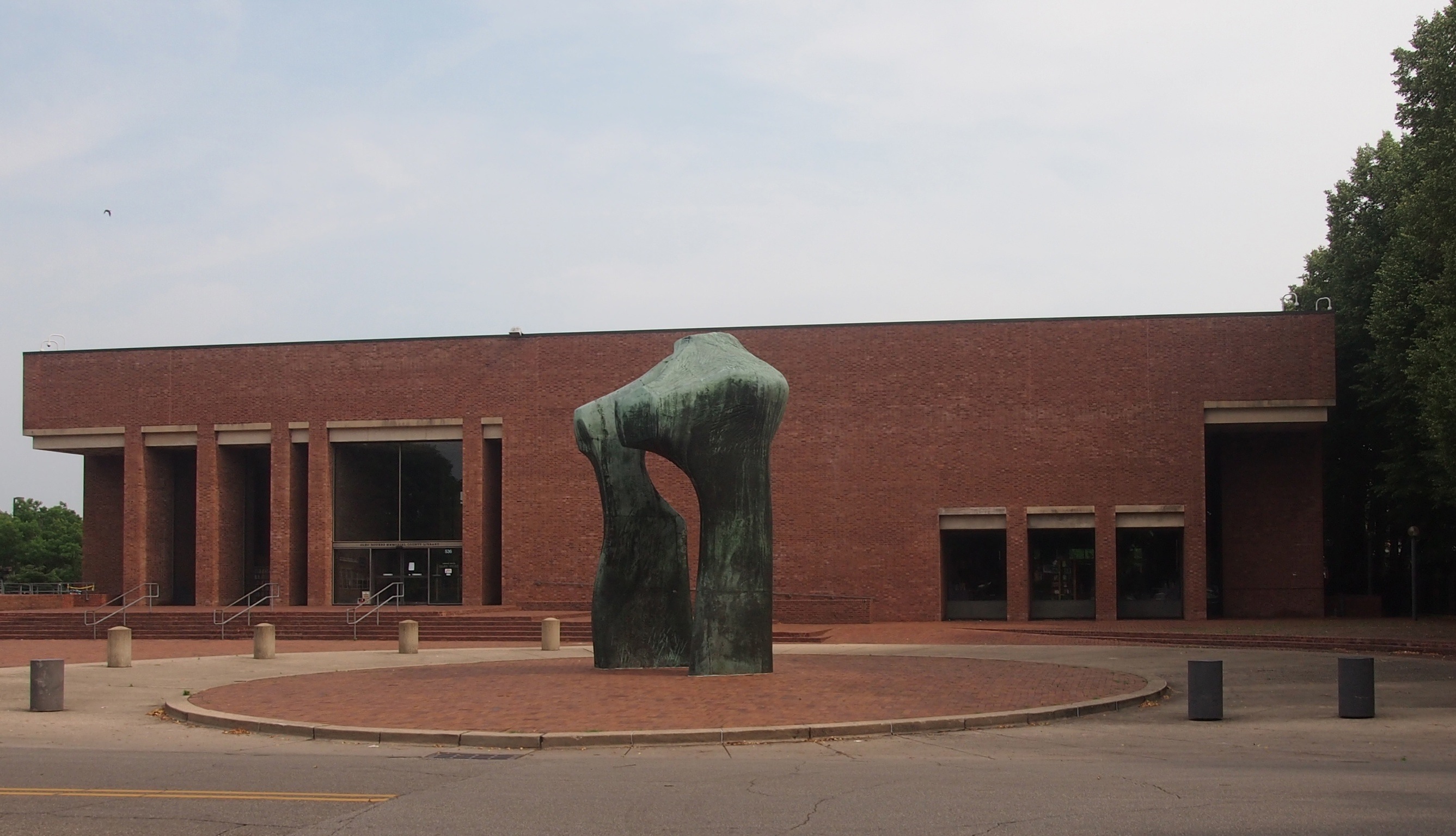
| Type | work | bureau |
|---|
| Year / years | 1969 | 1963 |
|---|
| Place | Columbus, Columbus, United States | Tokyo, Tokyo, Japan |
|---|
| Place context | Columbus, Columbus, United States | Representative site: Changsha, Changsha, People's Republic of China |
|---|
| Climate | 6°C · 13.4h daylight · 9 km/h wind | 18°C · 13.0h daylight · 23 km/h wind · via Hunan Museum |
|---|
| Focus | Sacred building | 20 works in corpus |
|---|
| Architects | | |
|---|
| Linked context | Bureaus | Notable works - Hunan Museum
- Bass Museum
- The Museum of Modern Art, Gunma
- Museum of Contemporary Art, Los Angeles
|
|---|
| Typologies | - library
- church
- sacred space
- memorial
| - museum
- landscape
- performance venue
- building
- gallery
- tower
- house
- office
|
|---|
| Materials | | |
|---|
| Carbon signals | Concrete and Brick look like the main embodied-carbon drivers in the current palette. | The recorded material palette leans lower-carbon on paper, but procurement and quantity still matter. No dominant drivers yet. |
|---|
| Lower-carbon levers | - Look for lower-clinker mixes, reused structure, and scope reductions before fine-grained product swaps.
- Review masonry extent, reuse opportunities, and alternate assemblies where the design language allows it.
| - Track sourcing, certification, and assembly logic rather than assuming timber is automatically low impact.
|
|---|
| Accessibility | Publicly accessible | 13 of 13 recorded works are publicly accessible |
|---|
| Related books | No linked books yet. | No linked books yet. |
|---|