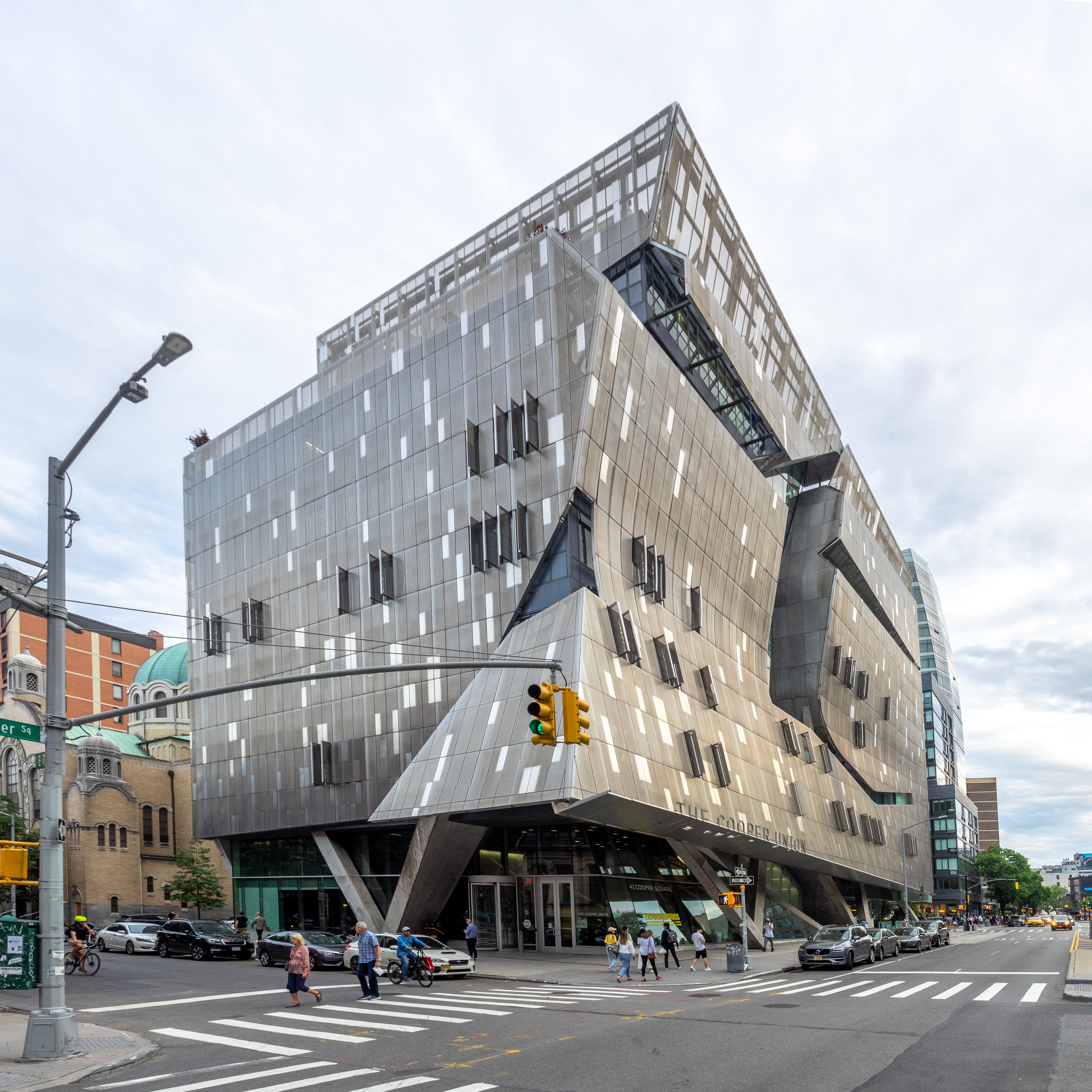
| Type | work | bureau |
|---|
| Year / years | 2009 | 1896 |
|---|
| Place | Manhattan, Manhattan, United States | Vienna, Vienna, Austria |
|---|
| Place context | Manhattan, Manhattan, United States | Representative site: Innere Stadt, Innere Stadt, Austria |
|---|
| Climate | 6°C · 13.6h daylight · 7 km/h wind | 12°C · 14.0h daylight · 12 km/h wind · via Café Museum |
|---|
| Focus | Education building | 5 works in corpus |
|---|
| Architects | | |
|---|
| Linked context | Bureaus | Notable works - Café Museum
- Looshaus
- Rufer House
- Villa Muller
|
|---|
| Typologies | | - museum
- housing
- house
- villa
- modernism
|
|---|
| Materials | | |
|---|
| Carbon signals | Aluminum, Steel, and Fabric look like the main embodied-carbon drivers in the current palette. | Concrete and Stucco look like the main embodied-carbon drivers in the current palette. |
|---|
| Lower-carbon levers | - Focus on recycled content, lighter assemblies, and careful facade-specification choices.
- Prioritize recycled content, efficient sections, and procurement-specific EPD comparisons.
- Use classification and product-level EPD research to place this material more precisely.
- Compare system-level facade options, reduce overspecification, and pair glass choices with structural reductions.
| - Look for lower-clinker mixes, reused structure, and scope reductions before fine-grained product swaps.
- Use classification and product-level EPD research to place this material more precisely.
- Track sourcing, certification, and assembly logic rather than assuming timber is automatically low impact.
|
|---|
| Accessibility | Publicly accessible | 2 of 2 recorded works are publicly accessible |
|---|
| Related books | No linked books yet. | No linked books yet. |
|---|